
The Case for Prioritizing Talent Leadership in High-Growth Companies
Ask any CEO, and they’ll say their most critical responsibility is ensuring they have the right people in the business. Yet, when reviewing the “Our Team” section of many early-stage or high-growth technology companies, it’s rare to find a Chief People Officer, Chief Talent Officer, or an equivalent executive role dedicated to talent and culture.
This gap reveals a common mistake founders make: they prioritize Product, Technology, Marketing, Sales, and Finance but overlook the foundation of these functions—people. Without the right talent, these functions underperform or stagnate. Founders must recognize that building a strong Talent, People, and Culture function is just as crucial as these core business areas, if not more so.
The Misconception: HR vs. Talent Leadership
A common misunderstanding lies in equating Human Resources (HR) with Talent and People leadership. Traditional HR often focuses on administrative tasks, managing employees post-hire, and reporting to the CFO. However, a forward-thinking CEO knows the value of having a senior-level People/Talent leader on the executive team, reporting directly to them.
This leader is far more than an HR generalist—they serve as the guardian of company culture, the architect of the Employee Value Proposition (EVP), and a strategic partner to other executives. Their role spans understanding the company’s trajectory across all key functions—Operations, Finance, Marketing, Technology, Sales, and Product—while building a scalable, data-driven Talent organization.
The Cost of Overlooking Talent Leadership
High-growth companies often hire HR generalists, assuming they can also manage recruiting and talent acquisition. This is a mistake. Recruiting is highly specialized and requires a strategic, process-driven approach. HR generalists, no matter how skilled, often lack the expertise to build an effective recruiting engine or manage large-scale hiring goals.
This gap becomes painfully evident as the business scales. For example, hiring 100 employees in 6–12 months is a full-time job requiring a high-impact recruiting team. Without a dedicated Talent function, the business risks delays, poor hiring decisions, and damage to its employer brand.
Why Founders Need a Talent Executive Early
Investing in an experienced Talent Executive early pays dividends. This leader can develop a scalable, repeatable hiring process, create a strong recruiting brand, and establish the systems needed to attract and retain top talent. Here’s how to build a sustainable Talent function:
- Hire Talent Acquisition Specialists, Not HR Generalists
Build a senior, well-compensated in-house recruiting team focused on talent acquisition. Use external recruiters selectively for niche or executive roles but avoid over-relying on them as a default solution. - Partner Strategically with Professional Firms
Work with 2–3 trusted recruiting firms for challenging middle-management or niche roles. Align on processes and style to ensure consistency. - Make Recruiting a Priority
Adopt an “Always Be Recruiting” mindset. CEOs should champion recruiting as a core business activity. Create an Employee Referral Program (ERP) to leverage existing networks and attract high-quality candidates. - Invest in Technology
Implement recruitment technology such as Applicant Tracking Systems (ATS), LinkedIn Recruiter, and HRIS integrations. These tools streamline hiring, improve scalability, and enable data-driven decision-making. - Create a Superior Candidate Experience
Treat candidates as guests. Ensure the interview process is organized, respectful, and transparent. Provide interview guides, agendas, and timely feedback. A positive experience not only attracts top talent but enhances your employer brand. - Prioritize Culture and Branding
The Talent leader should actively shape the company’s EVP and ensure the culture is compelling and authentic. Remember, tools like Glassdoor give candidates unparalleled visibility into your company’s internal environment.
Final Thoughts
The People and Talent function is not a cost center—it’s a critical investment in your company’s success. By hiring a dedicated Talent Executive early and building a strong recruiting engine, CEOs can ensure their company is positioned to scale with the right people, processes, and culture in place. Getting this right isn’t optional in a high-growth environment—it’s essential.
About:
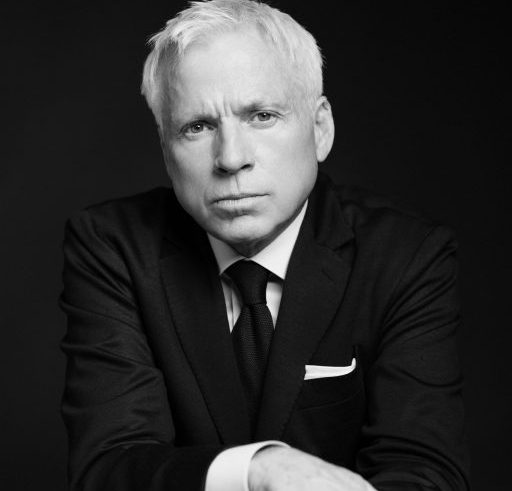
Michael is a Partner at True Search, where he specializes in managing Retained Executive Search processes for venture-backed, emerging growth, private equity, and disruptive technology companies.
With extensive experience in executive search and professional services, combined with first-hand expertise in entrepreneurial, founder-led, high-growth SaaS businesses, Michael offers a nuanced understanding of the skills, mindset, and leadership qualities essential for success in dynamic, venture, and private equity-funded SaaS and technology environments.
He collaborates closely with investors to build high-performing leadership teams across portfolio companies, focusing on CEO and C-level roles spanning Operations, Marketing, Sales, Finance, and Technology.
 Corporate Dyak