Observations of a Corporate Headhunter In centuries past, the Malayan Dayaks were feared for their headhunting traditions—formidable warriors who pursued only the most worthy adversaries. Their practice was governed by discipline, selectivity, and an unrelenting respect for strength. While colonial rule and religious conversion formally ended the tradition, history suggests that some instincts never fully disappear. Today, those instincts have simply evolved. In the modern corporate arena, a new class of Dayaks operates quietly across boardrooms, founder offices, and global networks. The hunt is no longer physical, but the stakes are just as real. Their objective is singular: identify and secure the rare leaders capable of materially changing the trajectory of a business. The tools have changed. Deep market intelligence replaces ritual. Pattern recognition and judgment substitute for brute force. The ability to assess leadership under pressure—across growth, complexity, and transformation—has become the decisive advantage. In an environment defined by compressed timelines, global competition, and asymmetric outcomes, leadership quality is the ultimate differentiator. For venture-backed companies navigating hypergrowth, or private equity–backed businesses executing value creation and exit, the margin between success and stagnation is often one hire. This is the reality of modern corporate headhunting. The terrain is unforgiving. The competition is relentless. And only those with the sharpest instincts—and the discipline to act on them—prevail.
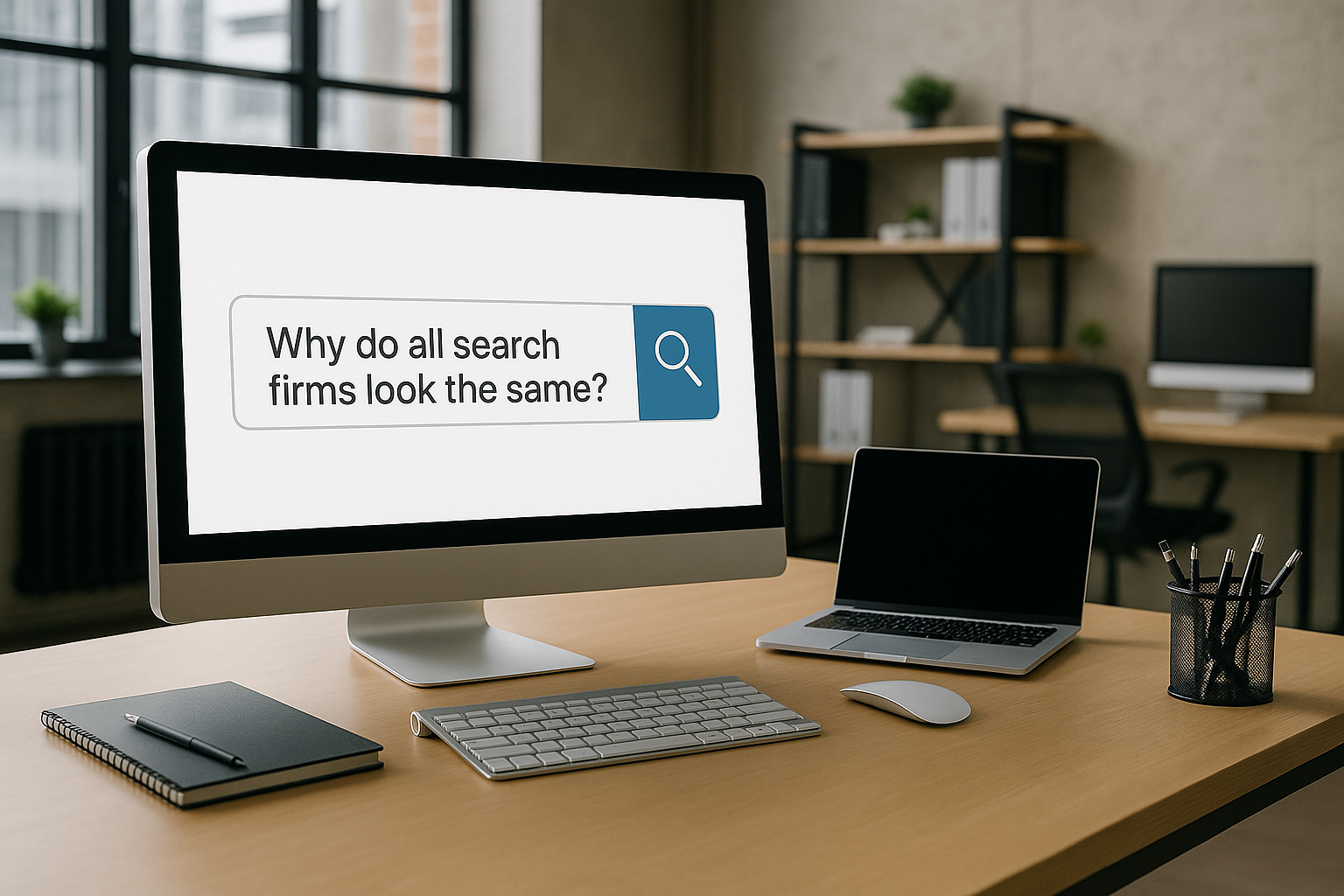
Because many are built around selling services rather than applying experience to build enduring partnerships. They optimize for volume, process, and investor relationships instead of accountability, judgment, and long-term outcomes. The result is polished messaging, familiar frameworks, and recycled candidates—with little meaningful differentiation.
AMM Partners was built differently. We are operator-first and results-led. We apply hard-earned experience and disciplined judgment. Our cultural understanding helps us to place leaders who materially advance the business.
We focus on relationships with founders and operators. They are the individuals directly accountable for building and scaling the company. They deserve a search partner who understands their reality. We support the leadership journey from start to finish.
Our work combines deep relationships with precise data. We bring decades of pattern recognition together with advanced AI. This combination with market intelligence gives founders and operators the clarity to make informed leadership decisions. These decisions shape culture, performance, and long-term enterprise value.
We do not build our business around investment firms. Instead, we partner directly with portfolio company leaders. These leaders seek executives capable of driving transformative growth.
The Art of Interviewing: Balancing Individuality with Professionalism
Job hunting is a delicate dance—showing personality while proving professionalism. There’s plenty of advice about standing out, like dressing casually or taking an unconventional approach. While individuality has its place, securing the job still requires a strong foundation of professionalism.
The Power of Presentation
First impressions matter—yes, even on video. It may be tempting to dress down, but don’t. Focus on the basics first. Dress appropriately—yes, even for virtual interviews. Maintain a polished presence and be mindful of how you present yourself. These details contribute to making a lasting, positive impact.
Advice for Job Seekers
Timing is Everything
Be strategic about when and where you apply. Focus on high-growth organizations and stay alert to hiring trends. Reaching out when companies are actively expanding can significantly improve your chances of landing an interview.
The Power of Follow-Up
After an interview or discovery session, send a personalized thank-you note to each person you meet. Email is standard, but a handwritten note to senior interviewers adds a thoughtful, standout touch.
Punctuality Matters
Being late is never a good look. Arrive 15 minutes early for in-person interviews. For virtual meetings, log in 5 minutes ahead to test your setup. Every action you take reflects your professionalism and reliability. Remember; how you do anything is how you do everything.”
Preparation and Materials
For in-person meetings, bring printed copies of your resume or an engaging, concise slide deck. If it’s a video interview, send materials a day in advance. Be ready to share compelling stories about your experience and demonstrate genuine enthusiasm for the role.
Energy and Passion Win Jobs
Show intellectual curiosity, humor, and enthusiasm. Engage actively, lean into the conversation, and let your excitement for the role and company shine through. Employers notice and value candidates who bring authentic energy and commitment.
Polish and Presentation
The details matter. Your attire and posture signal how seriously you take the opportunity. Even the shine on your shoes or the neatness of your background on video can have an impact. Presentation speaks volumes.
Know Your Value
During interviews, ask about the company’s challenges and opportunities. What problem is this role meant to solve? Be prepared to articulate what makes you a valuable addition to the team. Avoid overused phrases like “I’m a team player” or “I get frustrated easily.” Instead, connect your unique skills and experiences to the organization’s goals through specific, relevant examples. Reviewing the company’s culture section is an obvious way to gain insight here.
Final Thoughts
Interviews are your chance to blend professionalism with personality. Be prepared, dress for success, and approach the process with curiosity, enthusiasm, and a clear sense of your worth.
And yes—for in-person meetings, shine those shoes and clean that suit. For video interviews, be mindful of how you look on screen, adjust your lighting, and check your background. First impressions matter more than you think. Remember; how you do anything is how you do everything !
The past few years have prompted a reevaluation of many aspects of our lives, including the purpose and dynamics of our workplaces. Now more than ever, it’s evident that our workplaces shape and reflect key aspects of our identity, influencing both our performance and well-being. While there may be limits to the spaces available for work—and the extent to which we can personalize them—there are always opportunities, however small, to engage in placemaking. By drawing on the theory of workplace identification, which combines insights from environmental psychology, organizational behavior, and workplace design, the authors provide practical guidance on how to thoughtfully shape your work environment to support your growth, performance, and well-being.
The Importance of Place in Work
The debate over where and how we work remains contentious, with workers increasingly making intentional decisions about their environments — whether at home, in coffee shops, in transit, or in traditional offices. These choices matter because the places we work anchor our careers and shape our sense of self, often in ways we may not consciously recognize.
The Interplay of Place and Identity
Drawing on the theory of workplace identification, which integrates environmental psychology, organizational behavior, and workplace design, the article emphasizes that workplaces are more than backdrops for tasks. They are intertwined with our professional identities, reflecting who we were, who we are, and who we aim to become. Workplaces satisfy fundamental identity motives — offering a sense of belonging, continuity, and growth — but they can also hinder progress, leaving us feeling stagnant.
Steps to Craft a Workplace That Supports Your Best Self
Audit Your Current Workplace
Evaluate how each workspace affects your mood, productivity, and identity. Consider how it makes you feel, whether it supports task completion, fosters social connections, and reflects your professional journey.
Evaluate the Meaning of Place Elements
Reflect on whether your surroundings align with your aspirations. Identify aspects of your environment that support or stifle parts of your identity. Envision your ideal workplace and how it might enable the different facets of who you are.
Engage in Placemaking
Take intentional steps to shape your environment to better reflect and support your identity. Suggestions include:
Personalizing Your Workspace: Add meaningful items that connect to your professional and personal milestones.
Altering How You Use Your Space: Shift locations for different tasks to tap into varied energies and focus.
Finding Social Connection: Balance solitude with opportunities for collaboration or communal work.
Architecting Boundaries: Design spaces that help create separation between work and other roles in your life.
A Dynamic and Intentional Approach to Workplaces
Workplaces influence not only what we do but who we are. By auditing, reflecting on, and reshaping our environments, we can create spaces that enable us to thrive, foster creativity, and balance the many facets of our identities. Even within constraints, small but deliberate changes can have a profound impact, helping us become our best selves at work and beyond.
Learning how to be a gentleman can be bloody difficult. Presenting our cut-out-and-keep guide to The Done Thing — an alphabetiquette for the modern man
Over the past four years, we have endured profound and shared experiences that have reshaped our collective psyche: a pandemic that disrupted our sense of safety, repeated incidents of police violence and mass shootings, a war in Ukraine, an insurrection at the U.S. Capitol, a divided electorate, and both sides unhappy in one way or the other with the Presidential election, and there will be more.
These events, both discrete and ongoing, have contributed to a phenomenon known as collective trauma. Unlike individual trauma, collective trauma encompasses shared memories of distressing events that communities process and revisit to make sense of their impact. This shared burden has intensified burnout, highlighted systemic barriers to mental health support, and driven many to reevaluate their priorities and values, seeking greater meaning and purpose in their lives.
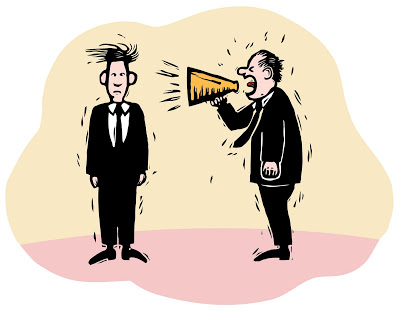
The high levels of efficiency that allow highly task-focused leaders to be so productive often come at the expense of a more people-based focus. Things like building relationships, inspiring a team, developing others, and showing empathy can fall by the wayside. Highly efficient leaders often lose their focus on people due to a limiting belief that more people-focused activities will slow them down and impede their ability to execute, and to ultimately be successful.


 hbr-org.cdn.ampproject.org/c/s/hbr.org/amp/2019/01/to-improve-your-team-first-work-on-yourself
 Corporate Dyak