The past few years have prompted a reevaluation of many aspects of our lives, including the purpose and dynamics of our workplaces. Now more than ever, it’s evident that our workplaces shape and reflect key aspects of our identity, influencing both our performance and well-being. While there may be limits to the spaces available for work—and the extent to which we can personalize them—there are always opportunities, however small, to engage in placemaking. By drawing on the theory of workplace identification, which combines insights from environmental psychology, organizational behavior, and workplace design, the authors provide practical guidance on how to thoughtfully shape your work environment to support your growth, performance, and well-being.
The Importance of Place in Work
The debate over where and how we work remains contentious, with workers increasingly making intentional decisions about their environments — whether at home, in coffee shops, in transit, or in traditional offices. These choices matter because the places we work anchor our careers and shape our sense of self, often in ways we may not consciously recognize.
The Interplay of Place and Identity
Drawing on the theory of workplace identification, which integrates environmental psychology, organizational behavior, and workplace design, the article emphasizes that workplaces are more than backdrops for tasks. They are intertwined with our professional identities, reflecting who we were, who we are, and who we aim to become. Workplaces satisfy fundamental identity motives — offering a sense of belonging, continuity, and growth — but they can also hinder progress, leaving us feeling stagnant.
Steps to Craft a Workplace That Supports Your Best Self
- Audit Your Current Workplace
Evaluate how each workspace affects your mood, productivity, and identity. Consider how it makes you feel, whether it supports task completion, fosters social connections, and reflects your professional journey.
- Evaluate the Meaning of Place Elements
Reflect on whether your surroundings align with your aspirations. Identify aspects of your environment that support or stifle parts of your identity. Envision your ideal workplace and how it might enable the different facets of who you are.
- Engage in Placemaking
Take intentional steps to shape your environment to better reflect and support your identity. Suggestions include:
- Personalizing Your Workspace: Add meaningful items that connect to your professional and personal milestones.
- Altering How You Use Your Space: Shift locations for different tasks to tap into varied energies and focus.
- Finding Social Connection: Balance solitude with opportunities for collaboration or communal work.
- Architecting Boundaries: Design spaces that help create separation between work and other roles in your life.
A Dynamic and Intentional Approach to Workplaces
Workplaces influence not only what we do but who we are. By auditing, reflecting on, and reshaping our environments, we can create spaces that enable us to thrive, foster creativity, and balance the many facets of our identities. Even within constraints, small but deliberate changes can have a profound impact, helping us become our best selves at work and beyond.
Published by corporatedyak
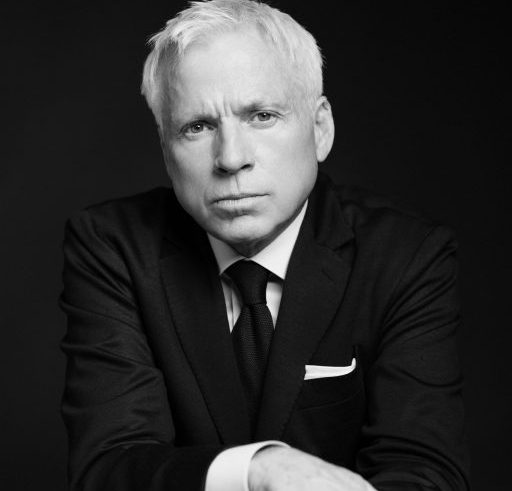
About Michael:
Michael is a dual citizen of the United States and Ireland with a unique background that includes experience in both European and US markets. His experience in early-stage companies gives him insights from a founder's perspective, which can be valuable in the business world.
Additionally, his years of working with growth-stage businesses have provided him with practical knowledge about how leadership teams can impact a company's success and shareholder value. Understanding the importance of having the right team in place and the consequences of having the wrong team is crucial in the business world.
Michael has many interests, including mountain biking, traveling, mogul and extreme skiing, politics, technology, art, and a passion for the Grateful Dead. He also values spending time with his family, dogs, and being a dad.
Observations of a Corporate Headhunter:
In the past, the Malayan Dayaks were feared for their ancient tradition of fierce headhunting practices....
After conversion to Islam or Christianity and anti-headhunting legislation by the colonial powers the practice was banned and disappeared, only to resurface in the late 90s.
Corporate Dyaks now roam the hallways and social corridors looking for only the very best talent on the PLANET !
View more posts
 Corporate Dyak